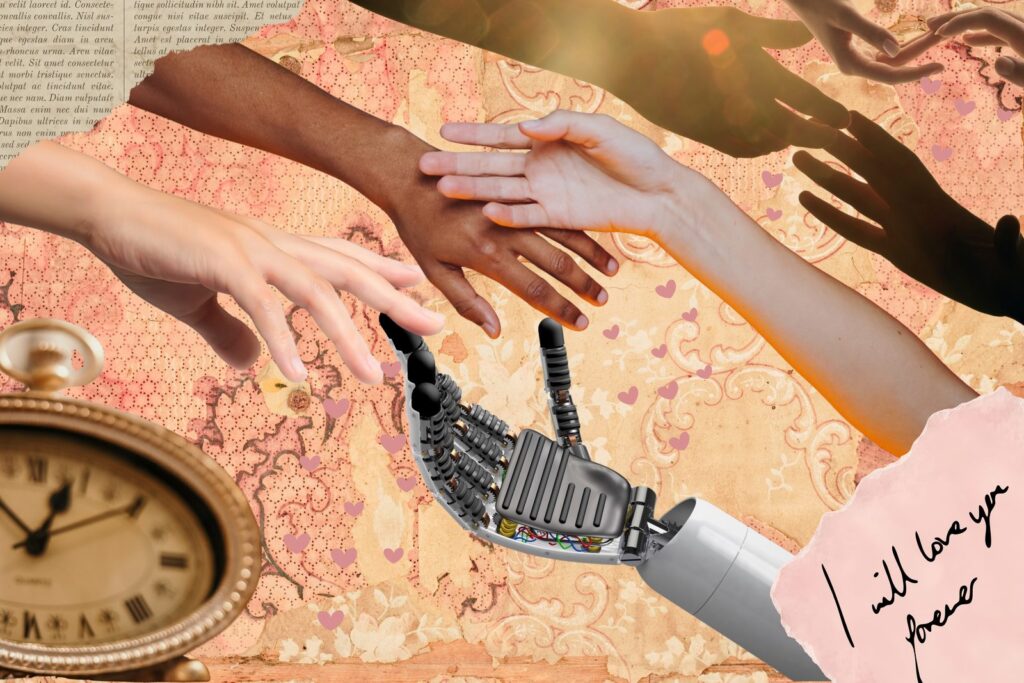
Modern relationships develop in a completely different environment than ever before. We have more freedom and more opportunities to choose who to share our lives with. At the same time, we have less time, less patience, and greater pressure to make the “right” decision. There are more choices than ever before, but often less clarity.
More choices, tougher decisions
The digital age has vastly expanded the possibilities for finding a partner. Geographic boundaries and social circles no longer determine partner selection as strongly as they once did. Dating apps and social media provide access to hundreds of potential partners.
But a wide selection doesn’t make the decision any easier. In psychology, this phenomenon is known as the choice paradox: the more options there are, the harder it is to commit to just one. You get the feeling that there might be someone even more suitable out there. This mindset undermines our satisfaction even when we’ve already made a good choice.
Fast-paced lifestyle
Work, self-improvement, hobbies, travel, and an active social life all compete for our time and attention. Building a lasting relationship, however, requires time, presence, and consistency.
As a matchmaker, I hear that if the first date doesn’t produce an immediate “spark,” people quickly conclude that there’s no chemistry. But a deeper connection doesn’t always happen at first sight. Relationships don’t develop in fast-forward mode, even though our consumer society has trained us to expect immediate results.
Social Media and the Illusion of Closeness
Digital communication creates the feeling that we know each other. We share photos, thoughts, and moments from our daily lives. But online communication is not the same as real closeness.
When communication is limited to a screen, we fill in the gaps with our imagination. We create a mental image of the other person that may not necessarily match reality. It’s only when we actually meet in person that we find out whether, for example, our values and lifestyles are truly compatible.
The Hollywood Myth of Love
Pop culture has created the impression that love should always be passionate and tension-free. In reality, every long-term relationship involves misunderstandings, compromises, and opportunities for growth.
Nowadays, people have less tolerance for discomfort. Tension is often seen as a sign that “this isn’t the right relationship,” rather than a natural part of a relationship. Yet it is precisely overcoming shared difficulties that brings people together and makes a relationship stronger.
Technology as the Ideal Partner
People are increasingly seeking emotional connection through artificial intelligence and chatbots. A digital companion is always there, understanding, and conflict-free. This may seem like an easy solution to loneliness.
But the ideal algorithm presents no challenges and requires no compromises. True closeness arises precisely through differences and vulnerability, not through perfectly tailored responses.
The consumerist mindset in relationships
The logic of consumer society has also carried over into relationships. If something doesn’t meet expectations, it’s replaced. We expect a partner to fit into our lives without major adjustments.
A mature relationship, however, requires flexibility, patience, and a willingness to grow as a person.
The Age of Awareness. An Opportunity, Not Just a Crisis
At the same time, things aren’t any more complicated. Never before have people been so aware of their needs and patterns. Therapy and self-development lay the groundwork for more mature and deeper relationships.
Eliia Laats
matchmaker
Magnet Dating Agency